
Robiraki (炉開き): The New Year of Tea — The Opening of the Winter Hearth and the New Tea
Nov 07, 2026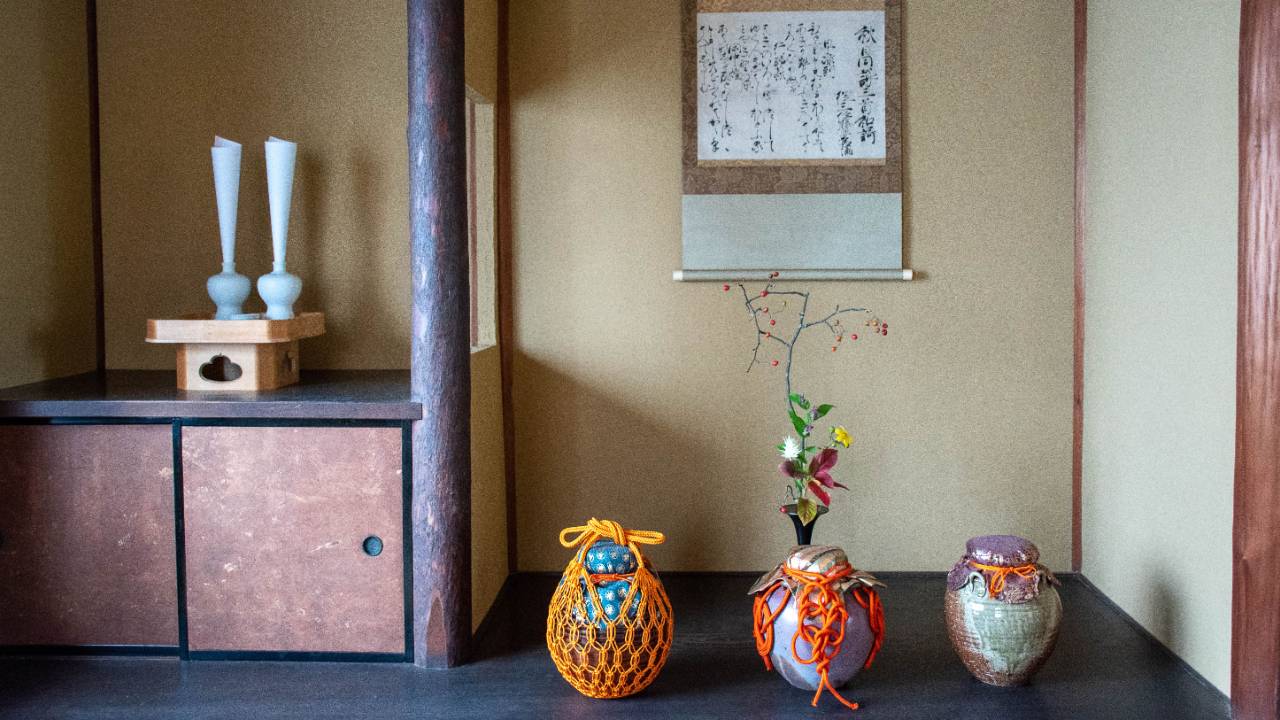
Robiraki 炉開き — The New Year of Tea
Welcoming the winter hearth, opening the new tea, and renewing the spirit of the tea gathering.
In November, as autumn gives way to winter, an important change takes place in the world of Japanese tea ceremony. The sunken hearth, which has remained closed throughout the warmer months, is opened once again. The kettle returns to its winter position, the charcoal is lit, and the tea room takes on an entirely different atmosphere.
This occasion is known as Robiraki (炉開き), literally the opening of the hearth. It marks the beginning of the winter season in tea ceremony and is traditionally celebrated as Chajin no Shōgatsu (茶人の正月), the New Year of the tea practitioner.
But Robiraki is much more than a seasonal change in equipment. It is a celebration of renewal, hospitality and gratitude. It brings together the changing seasons, the year's new tea, traditional observances and the particular warmth of gathering around a hearth.
To understand its significance, we must look at the relationship between the hearth, the tea itself and the traditions that have developed around this important occasion.
The transition from Furo to Ro
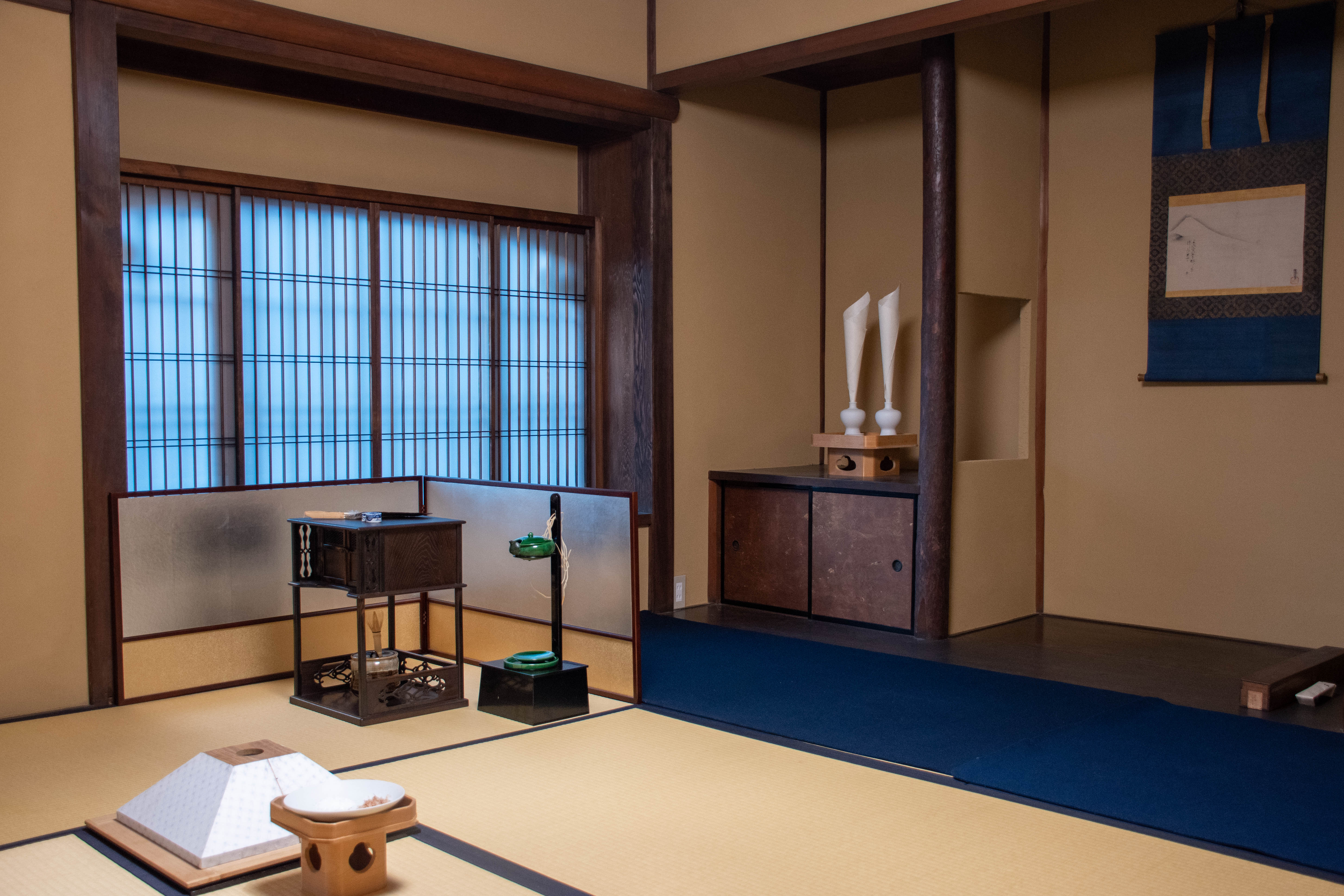
Throughout the warmer months, from May until October, tea ceremony is conducted using a furo (風炉), a portable brazier placed on the tatami. The charcoal fire and kettle are positioned at some distance from the guests, allowing the host to prepare tea without bringing unnecessary heat into the tea room during the summer.
When the colder season arrives, the arrangement changes.
The ro (炉), or sunken hearth, is opened beneath the tatami. Unlike the portable furo, the ro is an integral part of the tea room's architecture. It is a square opening in the floor, lined with a protective earthen structure and filled with ash, into which the charcoal is arranged.
The kettle is now positioned closer to the guests. The warmth of the charcoal can be felt more directly, and everyone gathers around the hearth.
This changes not only the practical arrangement of the tea room but also its atmosphere. During the summer, the host deliberately keeps the source of heat at a distance. In winter, the warmth becomes a central part of the gathering.
The sound of water beginning to boil in the kettle, the glow of the charcoal and the warmth extending towards the guests all contribute to the particular character of winter tea.
The hearth is therefore not simply a means of boiling water. It is an essential part of the tea room itself.
Why Robiraki is called the New Year of Tea
In the Japanese tea calendar, Robiraki marks the beginning of a new annual cycle.
The transition from furo to ro coincides with another important event: the opening of the year's new tea.
The tea harvested in spring is not necessarily consumed immediately. In the traditional preparation of matcha for tea ceremony, the newly harvested tencha is processed, stored and allowed to mature before being opened for use in November.
This period of maturation is particularly important for the tea used in koicha (濃茶), or thick tea.
The opening of the winter hearth and the first use of the year's matured tea together give November its special significance.
Just as a household prepares for the beginning of a new year by cleaning, arranging and renewing its surroundings, the tea practitioner prepares the tea room and its utensils for the new season.
The hearth is opened, the tea room is given its winter arrangement, and the new tea is welcomed.
It is in this sense that Robiraki is celebrated as the New Year of Tea.
The Tea Jar — Chatsubo 茶壺
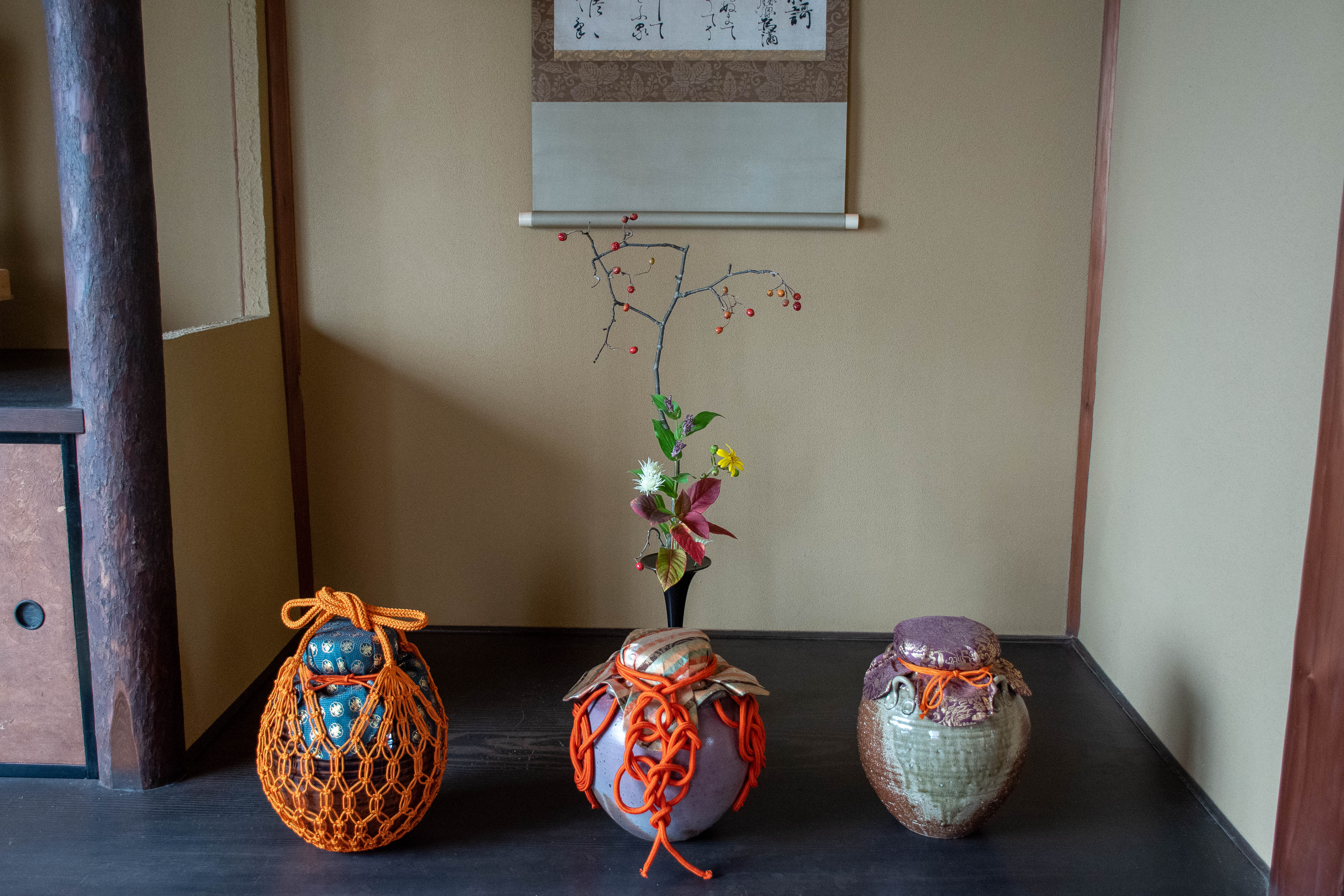
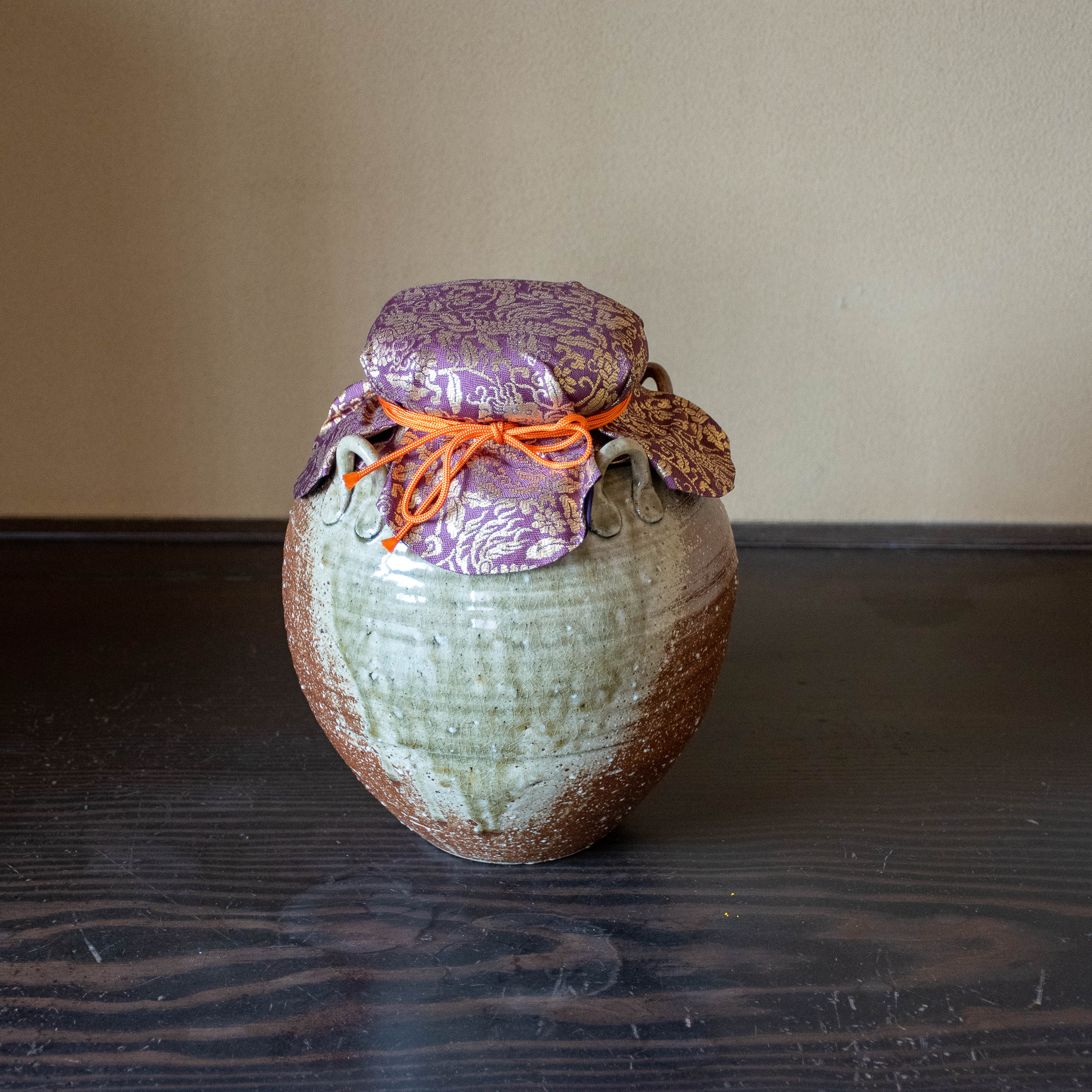
Central to the tradition of the new tea is the chatsubo (茶壺), the traditional tea jar.
Before modern refrigeration and dedicated tea-storage facilities became commonplace, ceramic tea jars played an important role in the preservation and maturation of tea.
After the spring harvest, tencha was placed inside the jar and carefully sealed. The arrangement of the tea inside the jar was also important.
The finest tencha, intended for koicha, was placed in one or more paper pouches inside the jar. Around these pouches, additional tencha was packed, traditionally used for usucha (薄茶), or thin tea.
The surrounding tea also served to protect the precious tea reserved for thick tea.
The sealed jar was then kept in storage during the warmer months, allowing the tea to mature until the time came to open it.
The chatsubo is more than a practical storage vessel. It is an object of considerable cultural and aesthetic significance in the tea tradition. Its form, ceramic body, glaze and decorative features are all appreciated, and the opening of the jar is itself treated as an important ceremonial occasion.
The Procession of the Tea Jar — Ochatsubo Dōchū 御茶壺道中
The importance attached to the annual tea harvest can also be understood through the historical tradition of the Ochatsubo Dōchū, the procession of the tea jars.
During the Edo period, the shogunate placed considerable importance on the preparation and delivery of its annual supply of tea.
Tea masters and representatives were dispatched from Edo to Uji, Kyoto, where the finest tea was selected and prepared for the shogun.
The tea was placed in special jars and transported under careful supervision. The procession itself was an important event, and its passage was treated with exceptional respect. Even the processions of feudal lords were expected to give way to the shogun's tea jars.
The journey took several months. During the heat of summer, the tea jars were kept in cool storage in the mountainous region of Kōshū, in present-day Yamanashi Prefecture, before continuing their journey towards Edo.
By the time the tea reached its destination, the freshly harvested leaves had had several months to mature.
This historical practice illustrates the importance attached to the annual tea harvest and the anticipation surrounding the arrival of the new tea.
The tradition of allowing the tea to rest before its first use continues to be reflected in the November tea calendar today.
Kuchikiri — Opening the Tea Jar 口切り
The ceremonial opening of the chatsubo is known as Kuchikiri (口切り), literally the cutting of the mouth or opening of the jar.
It is one of the most significant occasions in the tea calendar because it marks the first opening of the sealed tea from the year's harvest.
The paper seal covering the mouth of the jar is carefully cut with a knife. The jar is opened, and the tea inside is brought out.
The paper pouches containing the finest tencha are removed and prepared for grinding. Unlike ready-made matcha powder, tencha stored in this traditional manner remains in leaf form and must be ground using a stone mill before it can be served.
The grinding process takes time and requires considerable care. The leaves are gradually transformed into the fine powder used to prepare matcha.
The opening of the jar is therefore not merely the unsealing of a container. It is the culmination of a process that began with the spring harvest, continued through the summer months and finally reaches its purpose in the winter tea gathering.
The relationship between Robiraki and Kuchikiri
Although the two are closely associated, Robiraki and Kuchikiri refer to different observances.
Robiraki is the opening of the winter hearth and the beginning of the winter season in tea ceremony.
Kuchikiri is the ceremonial opening of the chatsubo and the beginning of the year's matured tea.
When a traditional tea jar is available, both occasions may be celebrated together in a particularly special gathering. However, they are not necessarily performed on the same day or at the same gathering.
Together, they express the two important beginnings of the tea year: the renewal of the tea room and the arrival of the new tea.
The Hearth and its Offerings
The opening of the hearth is also accompanied by a ritual expression of gratitude and respect.
In the Robiraki observance, offerings are made in connection with the charcoal and the hearth.
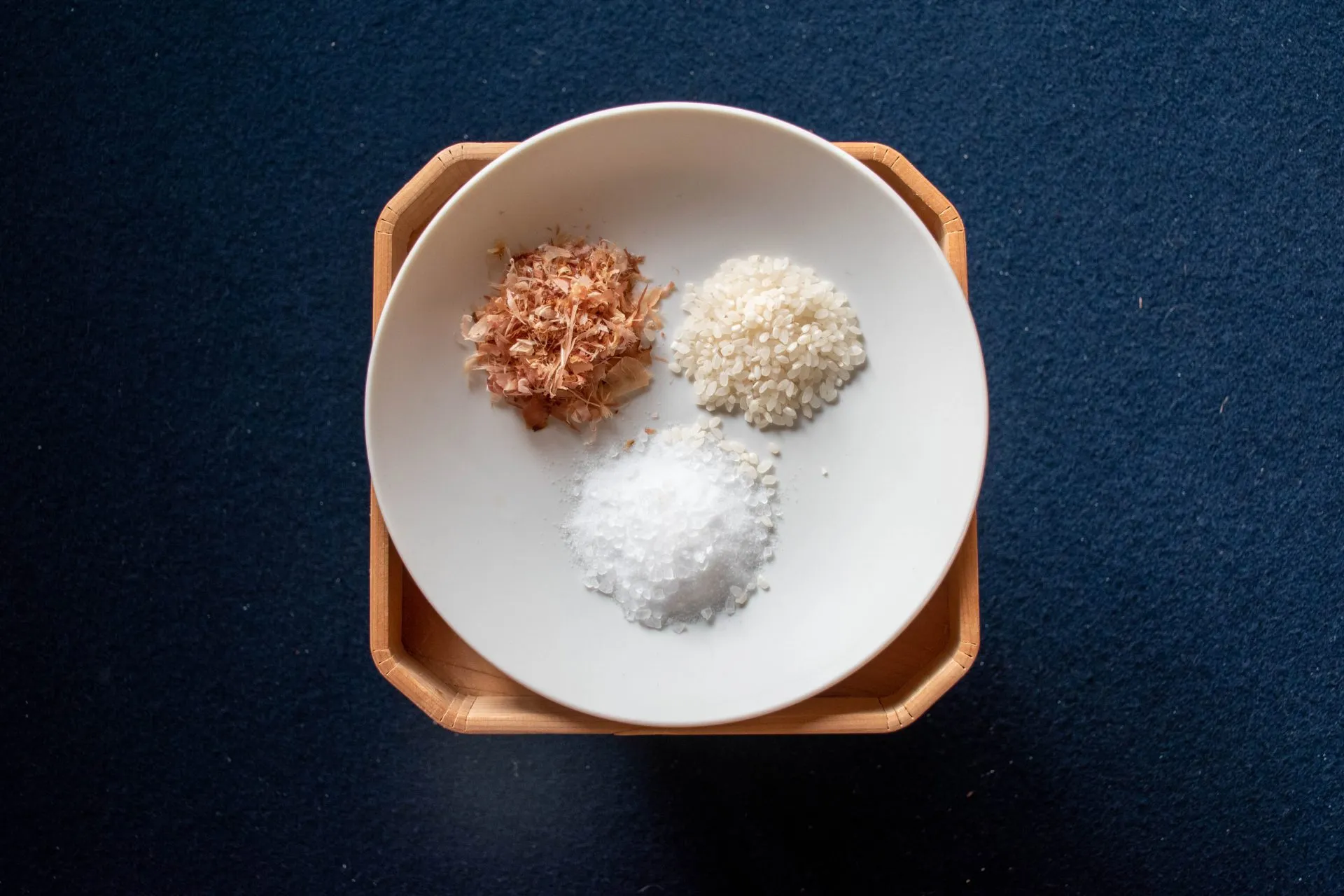
Among the offerings are rock salt, unpolished rice and dried bonito flakes.
Each represents a different aspect of the natural world from which we receive our sustenance.
Salt is associated with purification. Rice represents the blessings of the land and the year's harvest, while bonito represents the gifts of the sea.
Together, these offerings express gratitude for the abundance of nature and acknowledge our dependence on the land and sea.
The hearth is then welcomed back into use, with the hope that it will provide warmth, nourishment and good fortune throughout the coming winter season.
This expression of gratitude is an important aspect of the occasion. Tea ceremony has always maintained a close relationship with the natural world, and the opening of the hearth is an opportunity to acknowledge the elements that make the gathering possible.
Inoko-mochi — 亥の子餅
No discussion of the Robiraki season would be complete without mentioning Inoko-mochi (亥の子餅), a traditional Japanese confection closely associated with the Day of the Boar and the opening of the winter hearth.
Inoko-mochi is a rice cake traditionally made with glutinous rice and azuki beans, shaped to resemble a young boar. Depending on the regional and confectionery tradition, other ingredients may also be incorporated into the dough.
The custom of eating Inoko-mochi has its origins in an ancient seasonal observance associated with the imperial court. It is traditionally connected with the Inoko no Hi (亥の日), the Day of the Boar, during the tenth month of the old Japanese lunar calendar, corresponding approximately to November in the modern calendar.
The boar holds particular significance in Japanese seasonal customs. Because of its many offspring, it has long been associated with fertility, prosperity and the wish for abundant descendants. Eating Inoko-mochi was therefore believed to bring protection from illness and blessings for good health and prosperity.
The confection also has a connection with the traditional observance of Inoko no Iwai (亥の子の祝い), a seasonal celebration in which rice cakes made with seven ingredients were offered and eaten. The seven ingredients traditionally included glutinous rice, azuki beans, soybeans, sesame, chestnuts, persimmons and sugar.
The Day of the Boar also became associated with the beginning of winter preparations, including the lighting of hearths and the use of heating appliances. In this way, the custom of eating Inoko-mochi became closely connected with Robiraki.
For tea practitioners, this seasonal confection is particularly appropriate. Its ingredients recall the year's harvest, while its association with the opening of the hearth connects it directly with the beginning of the winter tea season.
At our Robiraki gathering, we share Inoko-mochi as part of welcoming the winter hearth and celebrating the beginning of another tea year.
Welcoming Winter Through Tea
Robiraki brings together many elements that are central to the Japanese tea tradition.
The opening of the hearth marks the changing season. The matured tea recalls the spring harvest and the patience required to allow nature's gifts to reach their full character. The chatsubo reminds us of the historical importance of tea and the craftsmanship associated with its preservation. The offerings express gratitude, while the sweets provide an opportunity to share the abundance of the season.
Perhaps most importantly, the winter hearth changes the relationship between host and guest.
The kettle is brought closer. The warmth of the fire reaches everyone gathered around it. The sound of boiling water becomes part of the atmosphere, and the tea room takes on a sense of intimacy that belongs particularly to the colder months.
The preparations may be elaborate, the utensils carefully selected and the traditions deeply rooted in history, but the essence remains remarkably simple.
We open the hearth, prepare the water, make tea and share it with our guests.
In this way, we welcome not only the winter season but also another year of practising and sharing tea.
炉開きおめでとうございます。
May the warmth of the hearth accompany us throughout the coming tea year.
Give yourself this amazing gift and unlock the door to a wealth of traditional Japanese values and rituals that will allow you to implement a beautiful, relaxing and mindful practice in your life.
Sign up for the Tea Ceremony Online Course today!
Stay connected with news and updates!
Join our mailing list to receive the latest news and updates from our team.
Don't worry, your information will not be shared.
We hate SPAM. We will never sell your information, for any reason.

Author

